


Our most recent purchase
Published:
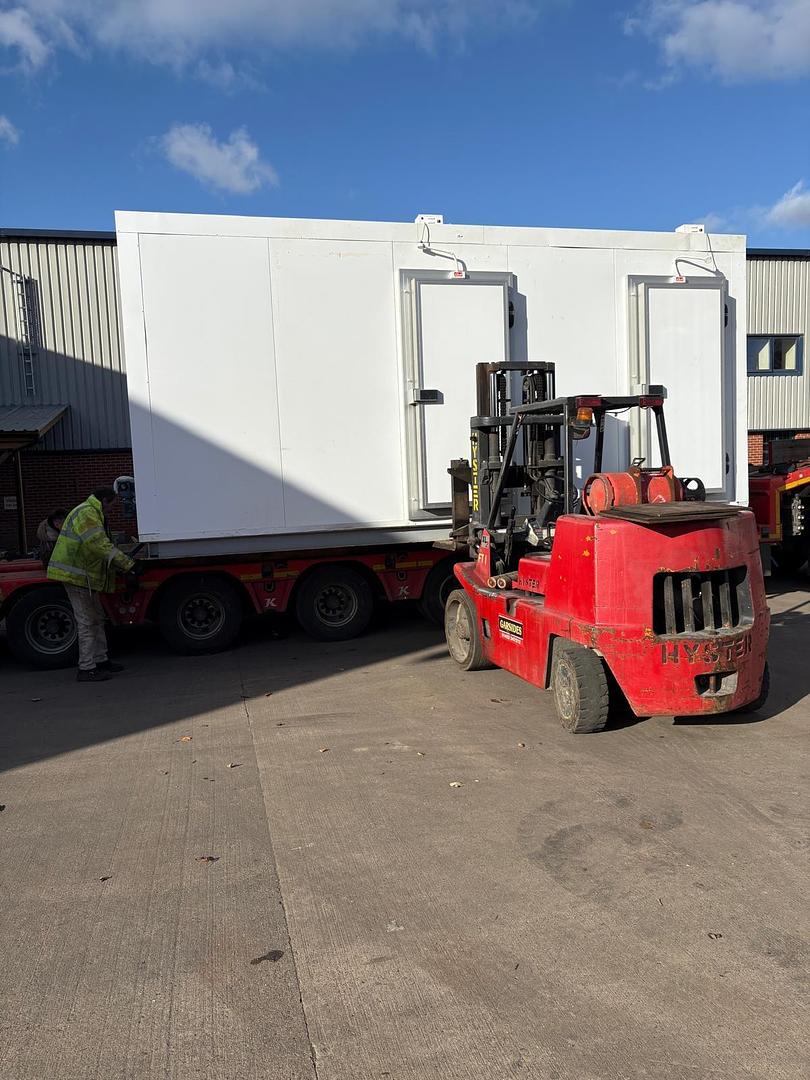
Did you know we also purchase your redundant machinery.
We have recently taken possession of 2 spirals.
Moving such large machinery is never easy but with our expert engineers and moving team it can be made much more seamless.
We will guide from the first contact, to purchasing and collecting your machinery.
Whether you’re clearing space for new production lines, restructuring your site, or decommissioning an area entirely, selling redundant equipment doesn’t need to become a project that drags on for weeks.
Our process is designed to keep disruption to a minimum while making sure everything is handled correctly, from an initial assessment through to the final lift.
How the machinery purchase and collection process works
- Initial details and photos: Send over what you have, including make/model where possible, approximate dimensions, and any site access notes.
- Site visit or remote evaluation: Depending on the machinery and location, we can arrange an inspection or review information remotely to keep things moving quickly.
- Transparent offer: We’ll provide a clear purchase proposal based on condition, completeness, and removal requirements.
- Collection planning: Our team will coordinate a suitable date, lifting requirements, transport, and any permits or special access needs.
- Isolation and preparation: Where needed, we’ll work with you to ensure the machine is safely isolated and ready for removal.
- Loading and transport: Machinery is lifted, secured, and moved using appropriate equipment to protect both your site and the machine.
What we can buy
In addition to spirals, we regularly purchase a wide range of industrial and processing equipment, including complete lines and single assets. If you’re unsure whether your equipment is suitable, it’s always worth sending over the details for review.
- Conveyors and handling systems
- Processing and packaging machinery
- Frying lines
- Stainless steel equipment and components
- Redundant factory spares and surplus stock
- Standalone units, part lines, and decommissioned assets
Planning for safe and efficient removal
Large equipment often comes with challenges that aren’t obvious until the job is underway, such as restricted access points, tight turning circles, floor loading limits, or the need to dismantle certain sections for transport. That’s why we focus on planning before arriving on site, ensuring the right people and equipment are booked from the outset.
To help avoid delays, it can be useful to have the following information ready where possible:
- Approximate machine footprint and height
- Any known weights or lifting points
- Access route from machine location to loading area
- Availability of site lifting equipment (if any)
- Preferred collection windows to suit production schedules
If you have machinery that needs removing as part of a wider clear-out, we can also discuss staged collections so areas can be handed back in a controlled way, keeping your operations moving while redundant assets are removed.
For enquiries, send over a few photos and the basic details and we’ll come back to you with the next steps.